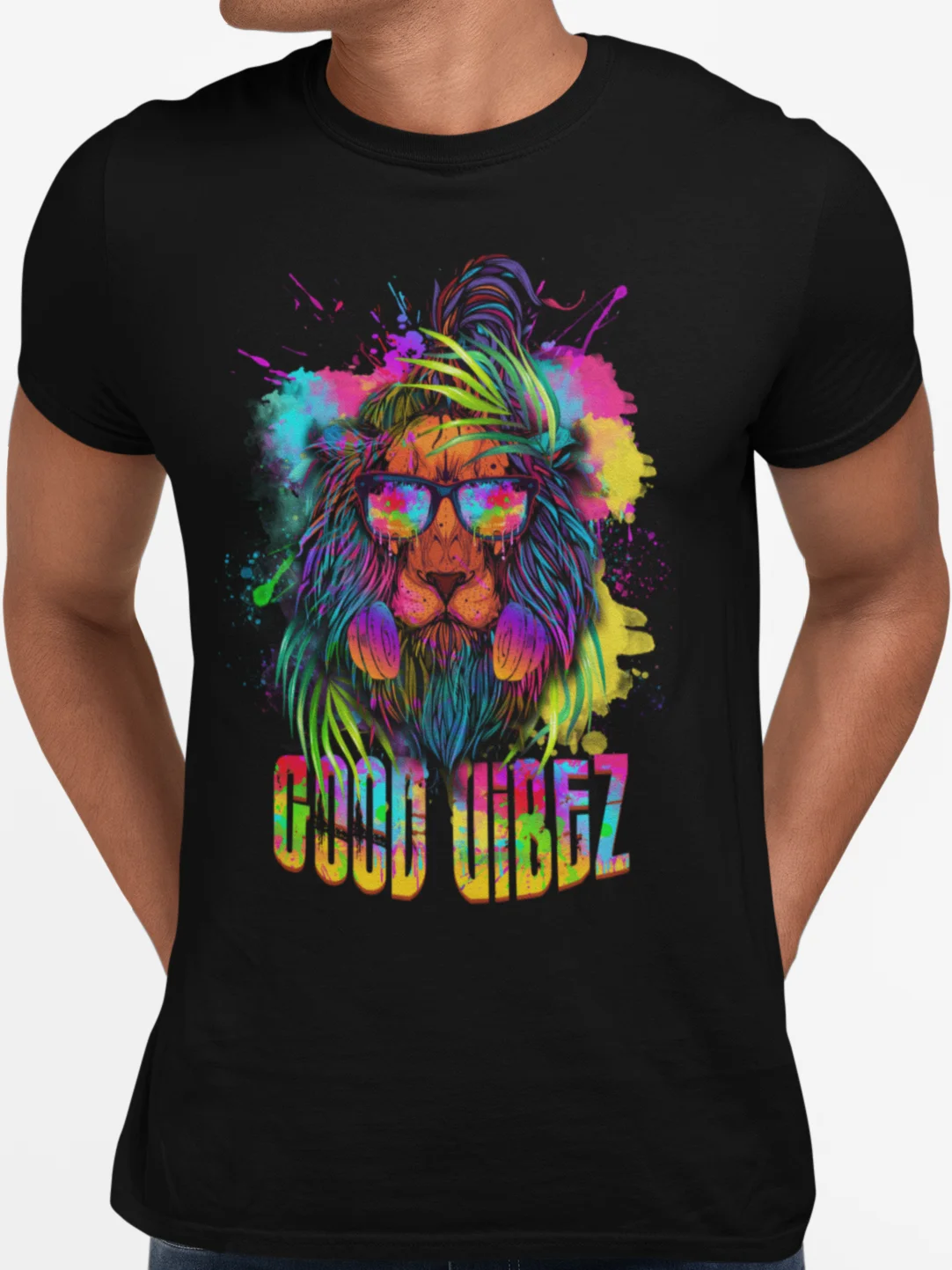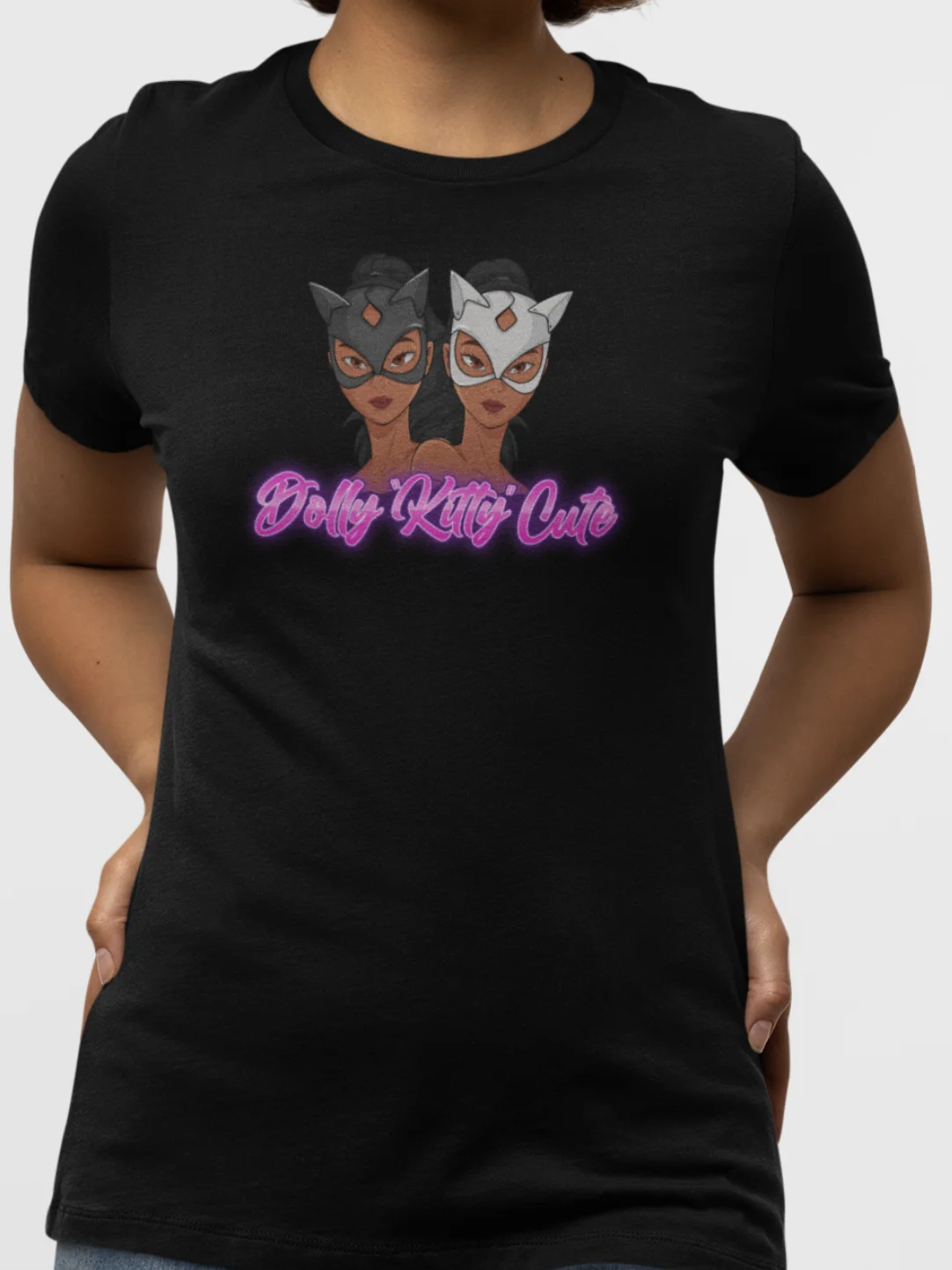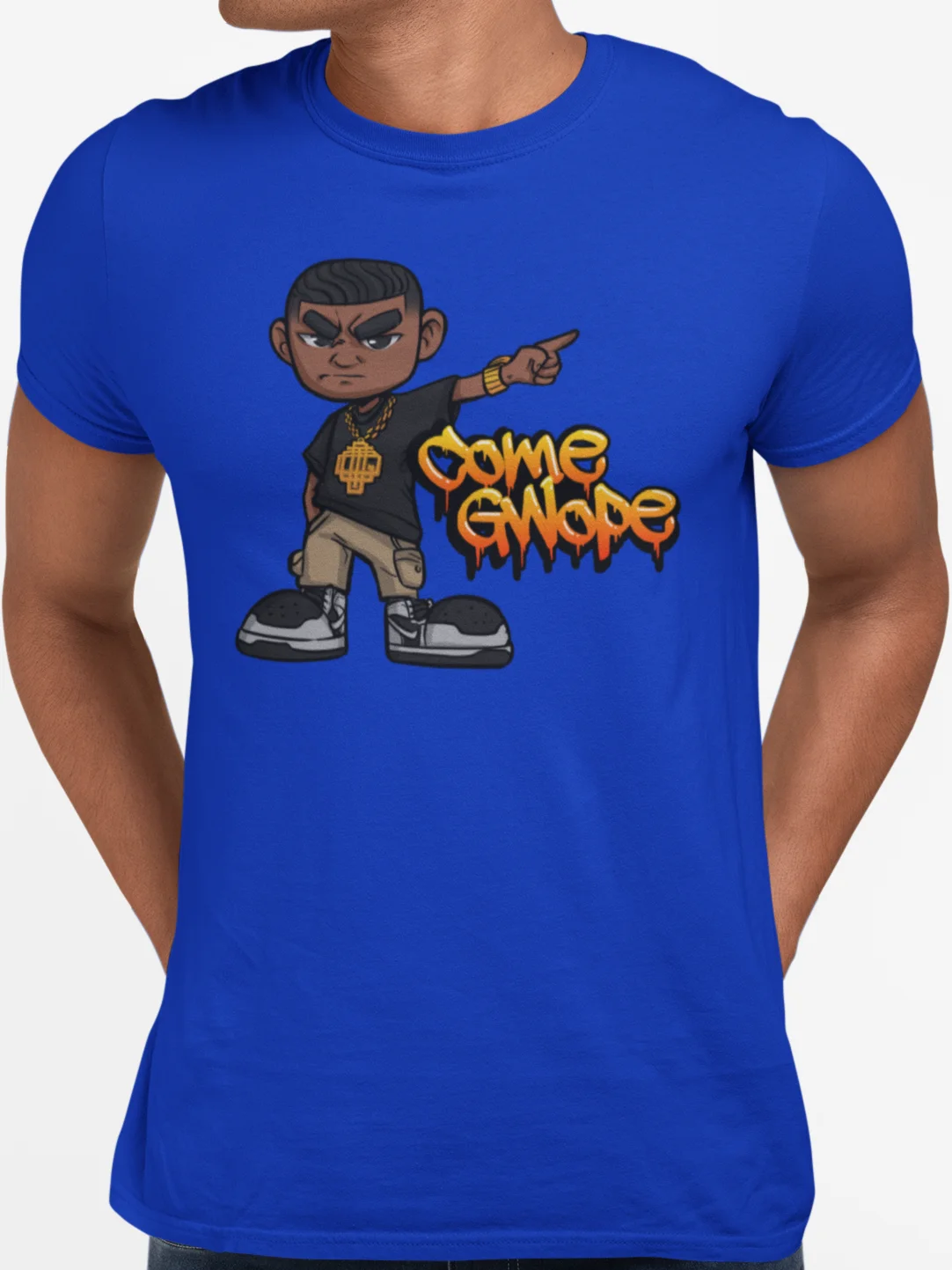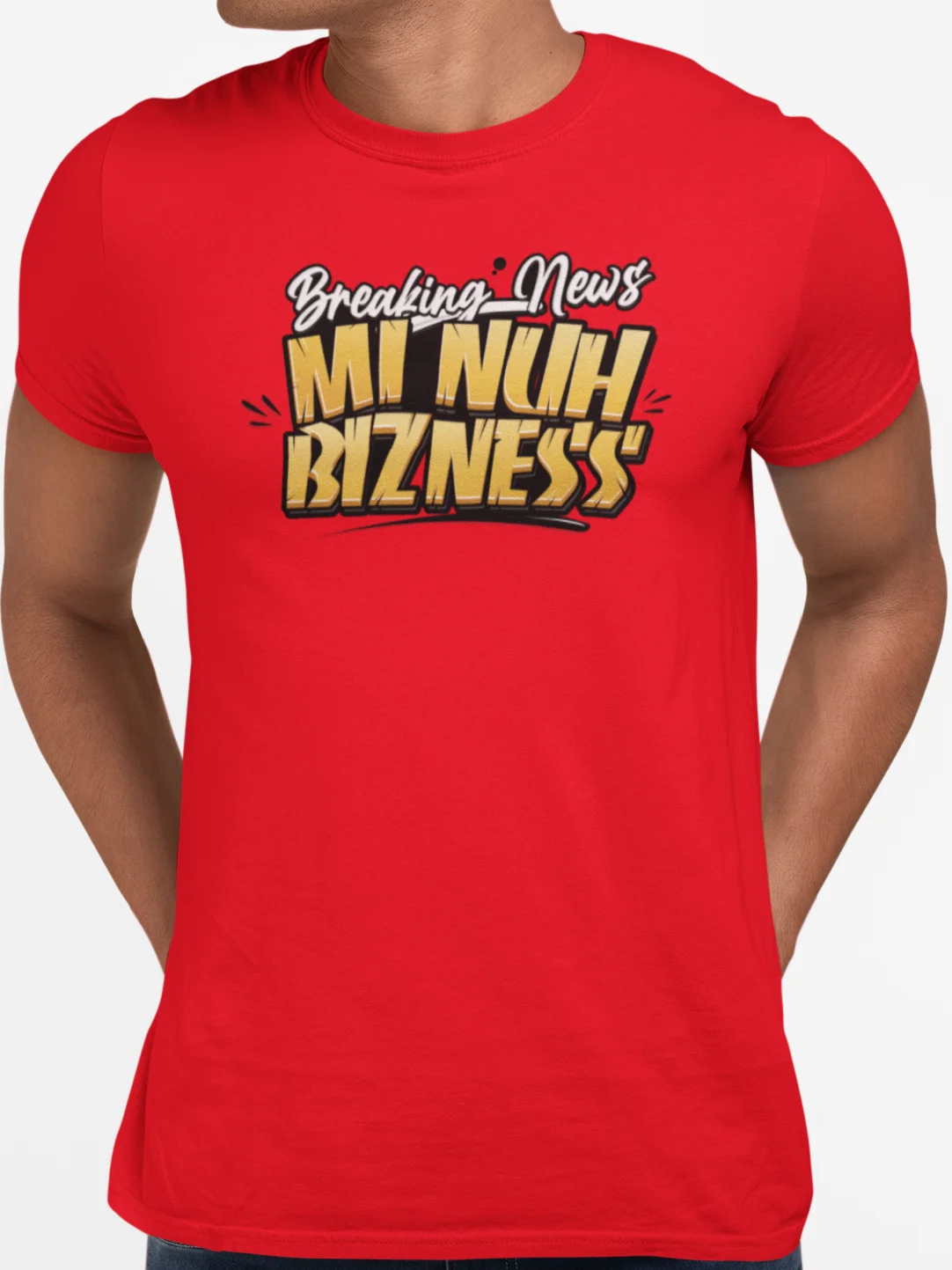
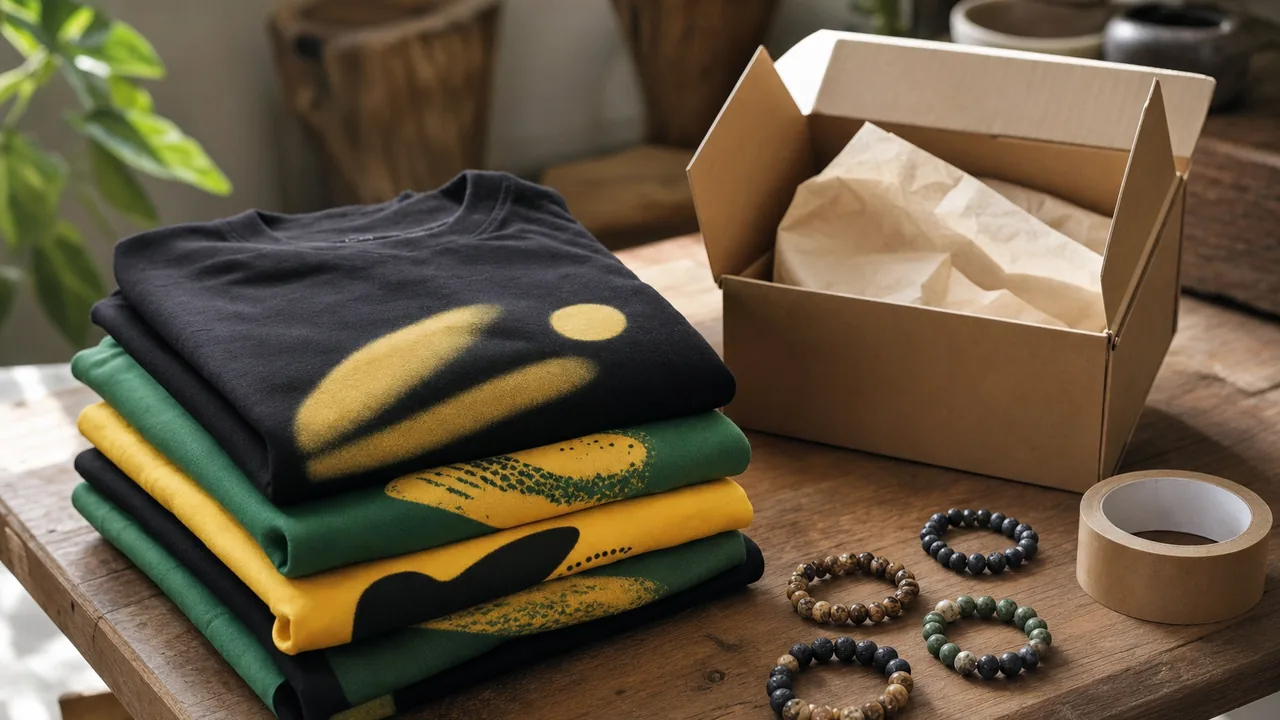
Search for Jamaican clothing brands and you get a wall of stores that all look roughly the same: a flag, a lion, a few words of patois, a photo of a beach. Some of them are run by people with a real connection to the island. Some are a print-on-demand catalogue with "Jamaica" typed into a design generator.
They are genuinely hard to tell apart from a product photo, so this guide is about the checks that actually separate them — and about one structural difference nobody advertises, which decides whether your order arrives this week or in three weeks.
What makes a brand "Jamaican" in the first place
This is worth settling early, because the honest answer is less romantic than the marketing suggests.
Almost no Jamaican clothing brand selling internationally manufactures on the island. Blank garments come from the same handful of mills everyone uses, and printing happens wherever the brand is based. A brand that implies otherwise is usually overstating it.
What can genuinely be Jamaican is the design origin — who chose the phrase, whether they know what it means, and whether the reference lands for someone who grew up with it. That is the part that cannot be outsourced to a trend scraper, and it is the part worth paying for.
So the useful question is not "is this made in Jamaica". It is "does the person who made this know what they are referencing". Which leads to the first real check.
Five checks that actually separate them
1. Ask what the phrase means
This is the fastest test there is. If a shirt carries patois, the seller should be able to tell you what it means and when a Jamaican would actually say it. A brand that cannot explain its own design did not write it.
It matters more than it sounds, because patois has range that English translation flattens. A phrase can be a compliment, a comeback, or unmistakably sexual, and the spelling will not warn you. "Dolly Kitty Cute" reads as harmless in English; kitty is a euphemism for the female genitals. That is a fine shirt to buy deliberately and a bad one to hand to your aunt.
Any brand can get this right. Very few bother. If you want to check a phrase independently, the Jamaican Patois dictionary is free and covers the vulgar register honestly rather than pretending it does not exist.
2. Screen print, not vinyl
Screen printing pushes ink into the fabric and lasts the life of the shirt. Vinyl is a sheet pressed onto the surface; it looks sharp in the listing photo and cracks, lifts and peels after a few washes.
You can usually tell from a close-up: vinyl sits on top with a visible edge and a slight sheen, screen print sits flush and the weave shows through. If the listing does not say which it is, ask. Brands using screen print say so, because it costs them more.
3. The blank underneath
The print gets the attention and the blank decides whether you wear it twice. Ringspun cotton is spun finer, so it is softer, more durable and holds its shape; standard open-end cotton is cheaper and coarser. Combed ringspun is a step up again.
Weight matters too. Around 4.2 oz is a light retail-fit tee that suits Caribbean heat; heavier weights feel more substantial and wear hotter.
4. Honest sizing
A brand that lists XS to 4XL and actually stocks the range is making a real commitment, because the wide sizes are the ones that sit unsold. Check whether the large sizes are genuinely available or permanently "out of stock" — that tells you whether the range is real or decorative.
5. Where it ships from, and what that costs you
Which brings us to the difference that matters most and gets advertised least.
Stocked or made to order: the split that decides when it arrives
Nearly every Jamaican clothing brand runs one of two models, and almost none of them tell you which.
Stocked. The brand buys blanks, prints a run, and holds the boxes. Your order is picked off a shelf, so it leaves quickly — typically the same or next business day. The trade-off is range: only what was printed exists, colours and sizes run out, and small-batch items like bracelets genuinely sell out rather than resetting overnight.
Made to order (print on demand). Nothing exists until you buy it. A production partner prints the item and ships it. The trade-off is time: production is usually quoted at several business days before shipping even begins, and the order often locks after a short window and cannot be changed. In exchange the range can be enormous — shoes, tracksuits, blankets — and sizes rarely sell out.
Neither model is better. They answer different questions. If you need it for a party on Saturday, the second model will let you down and it is not the brand's fault — it is arithmetic. If you want a specific shoe in a specific colourway, the first model will never carry it.
How to check before ordering: read the shipping page, not the homepage. Look for the phrase "processing" or "production" time quoted separately from delivery time. If a brand quotes a production window in business days, it is made to order. If it quotes a dispatch cut-off time, it is stocked.
Two brother brands, two models
Worth being straight about where we stand. Di Good Tings Dem and RebelOneMart are brother brands — separate businesses, each with its own team, sharing a founder. So this is not an impartial roundup and we are not going to pretend it is. What it does mean is that we know exactly how both models work in practice, which is the part most guides get wrong. Check both shipping pages yourself anyway.
Di Good Tings Dem is the stocked model. Hand-sketched designs, screen printed on ringspun cotton, one unisex fit from XS to 4XL, packed and shipped from the United States. Orders placed before 2:00pm EST on a weekday go out the same business day; otherwise the next one. The range is deliberately narrow — graphic tees built around phrases we can explain, hand-strung stone bracelets in genuinely small numbers, and swim.
RebelOneMart is the made-to-order model, and the range is far wider: Jamaican and Rasta clothing, country flag shoes, sports-themed sneakers, tracksuits. Because items are produced per order, its published policy asks buyers to allow 3–8 business days for processing and production before the order ships. That is the honest cost of a catalogue that size.
If you want it fast and you want the phrase to mean something, the first model fits. If you want footwear or a specific colourway and you can wait, the second does.
Questions worth asking any brand
- "What does this phrase mean, and when would someone say it?" The single most revealing question you can ask.
- "Is this screen printed or vinyl?" A brand that uses screen print will tell you immediately.
- "What is the production time before shipping?" Not the delivery estimate — the production time, quoted separately.
- "Where is this made?" A straight answer is a good sign. Cultural design and overseas manufacture are normal; implying island manufacture that is not happening is not.
- "What is the return window on an unworn item?" Made-to-order sellers often cannot take returns at all, which is reasonable but should be stated up front.
Common questions
What should I look for in a Jamaican clothing brand?
Whether they can explain what their own designs say, whether the printing is screen print rather than vinyl, what blank they use, and whether they are stocked or made to order. The last one decides when your order arrives and is the one most often left off the product page.
Are Jamaican clothing brands actually based in Jamaica?
Most that sell internationally are not, and almost none manufacture on the island. What can genuinely be Jamaican is the design and the cultural knowledge behind it. Treat a claim of island manufacture with some scepticism, and treat a brand that states plainly where things are made as more trustworthy, not less.
Why do some Jamaican clothing orders take weeks to arrive?
Because they are made to order. Nothing is printed until you buy, so a production window of several business days runs before shipping starts. Stocked brands pick from a shelf and dispatch the same or next business day. Check the shipping page for a "processing" or "production" time quoted separately from delivery.
Is screen printing really better than vinyl?
For a shirt you intend to keep, yes. Screen-printed ink goes into the fabric and lasts as long as the garment. Vinyl is pressed on top and typically cracks and lifts within a season of regular washing.
How do I know the patois on a shirt is correct?
Ask the seller what it means and when it is used. Spelling varies legitimately between households, so an unfamiliar spelling is not automatically wrong — but a seller who cannot translate their own design is a warning sign. A patois dictionary lets you check independently, including the terms most sellers would rather not explain.